
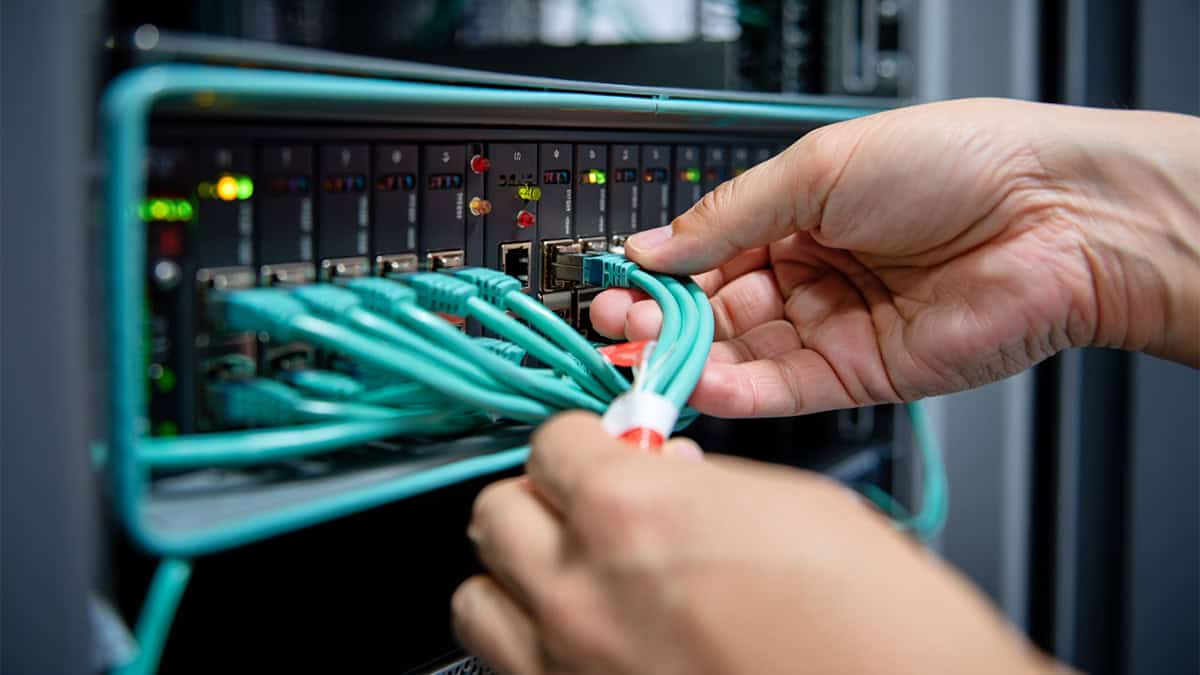
What Is IT Infrastructure Management?
IT infrastructure management refers to the processes, tools, and strategies used to monitor, maintain, and optimize the technology systems that support a business. These systems typically include networks, servers, cloud environments, storage systems, and security platforms.
Organizations rely on infrastructure management to ensure their technology remains available, secure, and performing at optimal levels. When properly managed, IT infrastructure supports daily operations, enables communication, and protects critical business data.
Many businesses partner with professionals who specialize in infrastructure management services to ensure their systems remain stable, secure, and scalable as their needs evolve.
Key Components of IT Infrastructure
A business IT infrastructure includes several interconnected systems that work together to support operations. Understanding these components helps explain why proper management is essential.
Network Infrastructure
Network infrastructure connects devices, systems, and users across an organization. This includes switches, routers, firewalls, and network cabling.
If you’re unfamiliar with the concept, our guide on what network infrastructure is explains how these systems support communication and data transfer throughout a business environment.
Servers and Storage
Servers host applications, databases, and company files. Storage systems ensure important data remains accessible and protected.
Infrastructure management ensures servers remain properly configured, updated, and optimized for performance.
Cloud Infrastructure
Many organizations now operate hybrid environments that combine on-premise hardware with cloud platforms. Cloud systems provide scalability, remote accessibility, and redundancy.
Businesses frequently integrate cloud solutions into their infrastructure to support remote work, application hosting, and data storage.
Physical Infrastructure
Physical components such as network cabling, hardware installations, and surveillance systems also play a role in infrastructure management.
For example, properly installed structured cabling helps ensure reliable network connectivity across offices and facilities. Our article on the importance of structured cabling in commercial spaces explains why this physical layer is essential.
Security Infrastructure
Security technologies protect networks and systems from cyber threats. This includes firewalls, intrusion detection systems, endpoint protection, and monitoring platforms.
These controls work alongside cybersecurity services to protect business networks from modern threats.
What Does Infrastructure Management Include?
Infrastructure management involves a combination of proactive monitoring, maintenance, and strategic planning. Businesses that manage their infrastructure effectively typically focus on several key areas.
Infrastructure Monitoring
Continuous monitoring allows IT teams to detect problems before they cause downtime. Monitoring tools track system health, performance metrics, and unusual activity across networks and servers.
Our guide to infrastructure monitoring explains how proactive monitoring helps businesses detect problems early and maintain stable systems.
System Maintenance and Updates
Software patches, firmware updates, and hardware maintenance help keep infrastructure secure and performing efficiently. Regular updates prevent vulnerabilities and reduce the risk of system failures.
Infrastructure Security
Infrastructure security focuses on protecting networks, devices, and systems from cyber threats. This often includes firewall management, access control policies, and endpoint protection.
Organizations typically combine infrastructure management with strong cybersecurity protections to reduce risk.
Backup and Disaster Recovery
Data protection is a critical component of infrastructure management. Backup systems ensure important business information can be recovered in the event of hardware failure, ransomware attacks, or natural disasters.
Businesses often implement data backup and recovery solutions to ensure operational continuity during unexpected disruptions.
Why IT Infrastructure Management Is Important
Technology downtime can be extremely costly. Even a short network outage can interrupt productivity, prevent customer communication, and halt critical operations.
Effective infrastructure management provides several important benefits.
Improved System Reliability
Proactive monitoring and maintenance help reduce outages and ensure systems remain available when employees need them.
Stronger Security
Managed infrastructure allows organizations to detect vulnerabilities, apply updates quickly, and protect systems against emerging threats.
Better Performance
Infrastructure optimization improves network speed, application performance, and overall system responsiveness.
Scalability for Business Growth
As companies grow, their technology needs evolve. Infrastructure management helps ensure systems can scale without causing disruptions.
Managed Infrastructure vs Internal IT Management
Some businesses maintain internal IT teams to manage their infrastructure, while others partner with external providers.
Companies that rely on managed IT services often gain access to advanced monitoring tools, experienced technicians, and proactive support without the overhead of building an internal IT department.
This approach allows businesses to focus on their core operations while professionals handle infrastructure monitoring, maintenance, and optimization.
Supporting Infrastructure With Networking and Communications
Infrastructure management also supports communication systems, internet connectivity, and collaboration tools used by employees.
Modern workplaces depend on reliable networking equipment, secure remote access, and stable communication platforms. Organizations frequently combine infrastructure management with networking services and telecommunications solutions to maintain seamless connectivity.
When Businesses Should Improve Their Infrastructure
Several warning signs may indicate a company’s infrastructure needs improvement.
- Frequent network outages
- Slow system performance
- Outdated hardware
- Increasing cybersecurity threats
- Limited scalability for growth
Addressing these issues early helps prevent larger operational problems. Our guide on signs your business infrastructure needs an upgrade explains what to watch for.
Building a Reliable Technology Foundation
IT infrastructure is the backbone of modern business operations. Without proper management, even minor issues can escalate into costly downtime and security risks.
By implementing proactive monitoring, maintenance, and strategic planning, businesses can ensure their technology remains reliable, secure, and capable of supporting long-term growth.
If your organization needs expert support managing complex systems, professional IT infrastructure management services can help keep your technology running smoothly.
Speak With an Infrastructure Specialist
If your business is experiencing network issues, performance slowdowns, or infrastructure challenges, the team at CNiC Solutions can help evaluate and optimize your environment.
Contact CNiC Solutions today to discuss your technology needs.